

Whether you are looking to build authority for your B2B enterprise, launch a niche passion project, or turn your industry experience into a powerful media engine, podcasting remains one of the most effective, intimate mediums for modern storytelling.
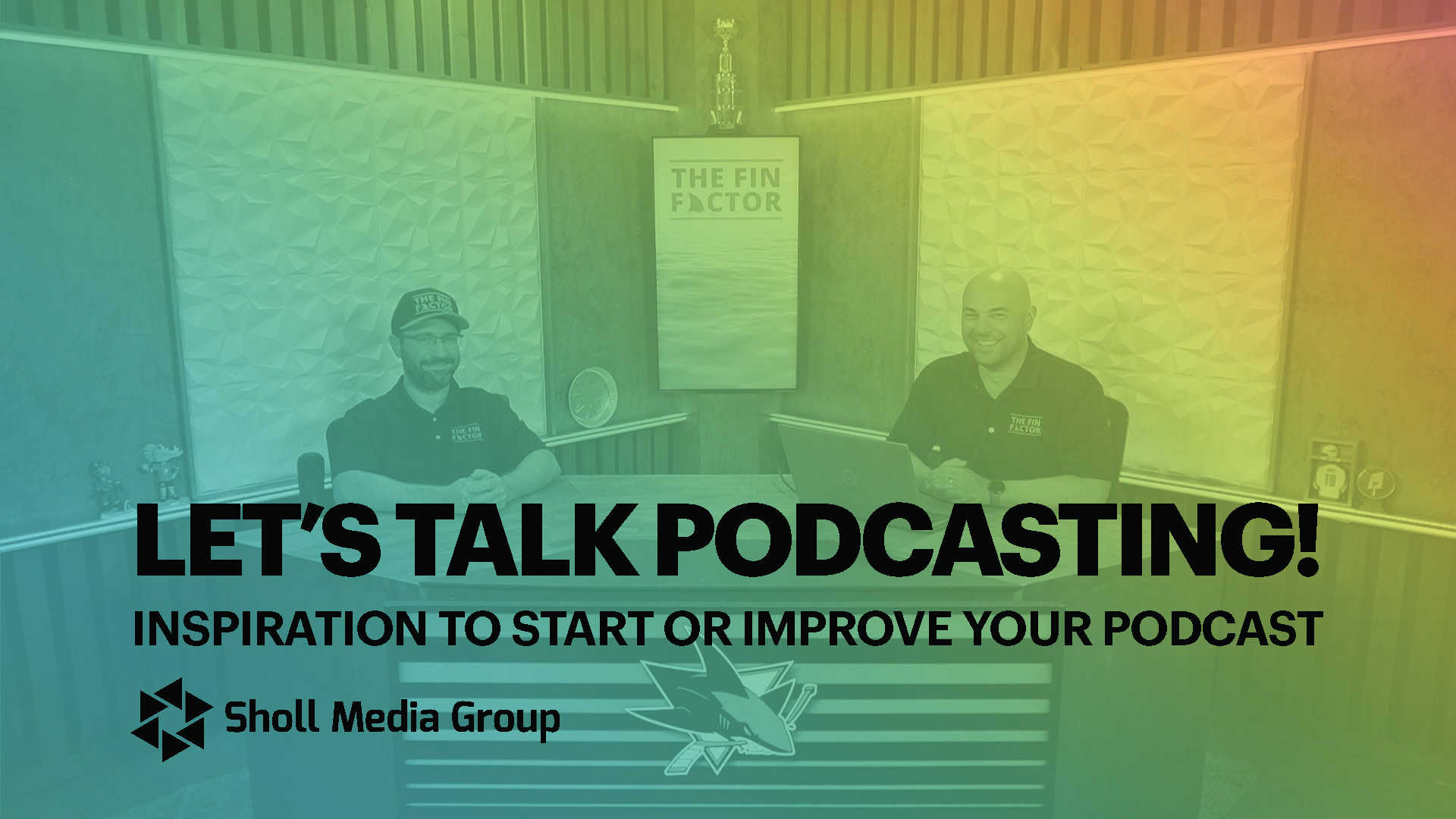
In June 2024, I had the pleasure of presenting a workshop titled “Tips and Tricks: Let’s Talk Podcasting” for the members of the Rainbow Chamber of Commerce. Drawing on my background in Hollywood, public education, Silicon Valley, and producing award-winning original shows like The Fin Factor and Deeper Learning with WeVideo, I walked participants through the entire production lifecycle—from initial concept to publishing and promotion.
Below is an in-depth breakdown of the framework, strategies, and technical insights shared during that session.
1. Understanding Podcasting & Finding Your Format
At its core, a podcast is a series of digital audio or video episodes made available for streaming or automatic download over the internet. While the medium originated with audio, modern podcasts frequently encompass multi-camera video feeds, live streams, and multi-channel asset clips.
Before setting up equipment, it’s critical to choose a format that aligns with your message, production budget, and team structure:
-
Interview Style: Features guests, industry experts, or celebrities (e.g., The Joe Rogan Experience).
-
Solo Format: A single host sharing expert commentary, analysis, or personal narratives (e.g., The Tim Ferriss Show).
-
Co-Hosted: Two or more hosts engaged in structured debate, commentary, or collaborative storytelling (e.g., The Fin Factor or Pod Save America).
-
Narrative / Scripted: High-production, documentary-style audio with immersive sound design (e.g., Serial).
-
Panel / Roundtable: A moderated group discussion analyzing specific topics.
-
Educational / True Crime: Deep dives into research, specialized domains, or real-life investigative cases.
2. Strategic Planning: Beating "Podfade"
Did you know that most podcasts fail after just 7 episodes? This phenomenon—known in the industry as podfade—happens when creators launch without a clear strategy, run out of content ideas, or underestimate the operational workflow.
To ensure your show builds long-term audience loyalty, focus on these critical planning pillars:
A. Niche & Audience Mapping
Don’t try to appeal to everyone. Identify a specialized topic where your passion and expertise meet an unaddressed gap in the market. Conduct research by looking at forum discussions, social groups, and customer reviews of competing shows to understand what listeners are searching for—and what they feel is missing.
B. Developing Your Unique Selling Proposition (USP)
Define why your show exists. Create a clear mission statement, establish your core theme, and maintain a 10-episode pipeline before hitting record for episode one.
C. Catchy Branding & SEO
Select a memorable title that is easy to spell, share, and search. Ensure your show artwork follows platform guidelines—bold typography, vibrant contrast, and clean branding that looks striking even on a small mobile screen.
3. Essential Gear: From Starter Setups to Studio Rigs
You don’t need a million-dollar studio to start, but clean audio is non-negotiable. Listeners will forgive average video quality, but bad, echoey, or distorted audio will make them hit stop immediately.
The Starter Setup
-
Microphone: Start with a reliable USB microphone like the Blue Yeti ($129+) or similar plug-and-play options.
-
Headphones: Always wear closed-back studio headphones (like the Audio-Technica ATH-M50x or Sony MDR-7506) to monitor sound levels in real-time, spot background noise, and avoid audio bleed.
-
Recording Space: Start simple—even a quiet, carpeted room or a closet with soft furnishings can deaden room reverb.
The Multi-Host / Broadcast Setup
If you plan to host multiple guests in person or produce high-end B2B podcasts:
-
XLR Microphones: Professional dynamic mics connected to an audio interface or dedicated mixer.
-
Hardware Audio Interfaces: Gear like the Zoom H6 or Behringer Xenyx Q802USB allows for multiple XLR inputs, onboard equalization (EQ), redundant recording, and gain control.
4. Recording Best Practices
When you’re ready to hit record, follow these field-tested studio protocols:
-
Microphone Placement: Position your mic on a stable boom arm or stand approximately 6 to 8 inches from your mouth. Use a pop filter to eliminate plosive sounds (harsh “p” and “t” air blasts).
-
Gain Staging: Test your audio levels before starting. Speak at your loudest natural volume and adjust your gain to prevent “clipping”—the digital distortion caused when audio levels exceed red thresholds.
-
Keep Rolling on Mistakes: If you make a vocal misstep, stumble on words, or lose your train of thought, do not stop the recording. Pause for three seconds, take a breath, and repeat the sentence. This preserves the natural energy of the show and makes editing much faster later.
5. Post-Production: Editing, Music & Enhancement
Editing is where raw spoken-word recordings are transformed into polished, broadcast-quality master files.
Editing Software Options
-
Audacity: Free, open-source audio software featuring easy noise reduction, truncation, and basic EQ effects.
-
GarageBand: Free on macOS with intuitive “Voice” templates, compressor controls, and reverb adjustments.
-
Adobe Audition / Premiere Pro: Professional suites providing multi-track editing, spectral noise repair, advanced sound mixing, and seamless video integration.
Enhancing with Music and FX
Add short royalty-free or licensed music tracks for your intro and outro segments. Platforms like Artlist, PremiumBeat, or AudioJungle offer affordable library options. Keep background music under voice tracks subtle and ducked in volume so it never overpowers the conversation.
6. Distribution & Growth Strategy
Once your episode is mastered and exported, you need a distribution architecture.
Hosting Platforms & RSS Feeds
Your audio files don’t upload directly to Apple Podcasts or Spotify. Instead, you upload them to a media host (such as Spotify for Podcasters, Libsyn, or Podbean). The host generates a master RSS feed that automatically syndicates every new episode across major global directories:
Apple Podcasts
Spotify
YouTube Music
Amazon Music & iHeartRadio
Strategic Promotion
To grow your listener base effectively:
Repurpose Short-Form Visual Clips: Extract high-impact 30-to-60-second vertical video reels for LinkedIn, YouTube Shorts, Instagram, and TikTok.
Optimize Show Notes: Write clear summaries, guest bios, key resource links, and chapter timestamps to improve search engine indexability (SEO).
Guesting Strategy: Appear as a guest on complementary shows within your industry niche to tap into established audiences.
Take Your Podcast to the Next Level with Sholl Media Group
From multi-camera studio configurations and mobile live-switched flypacks to master audio engineering and social media distribution engines, we handle the technical pipeline so you can focus on the conversation.